 Stratum
Stratum vs SPSS
SPSS is a long-standing staple in the social sciences. Where does a lighter, modern, native app for Mac & Windows like Stratum fit alongside it? An honest comparison.
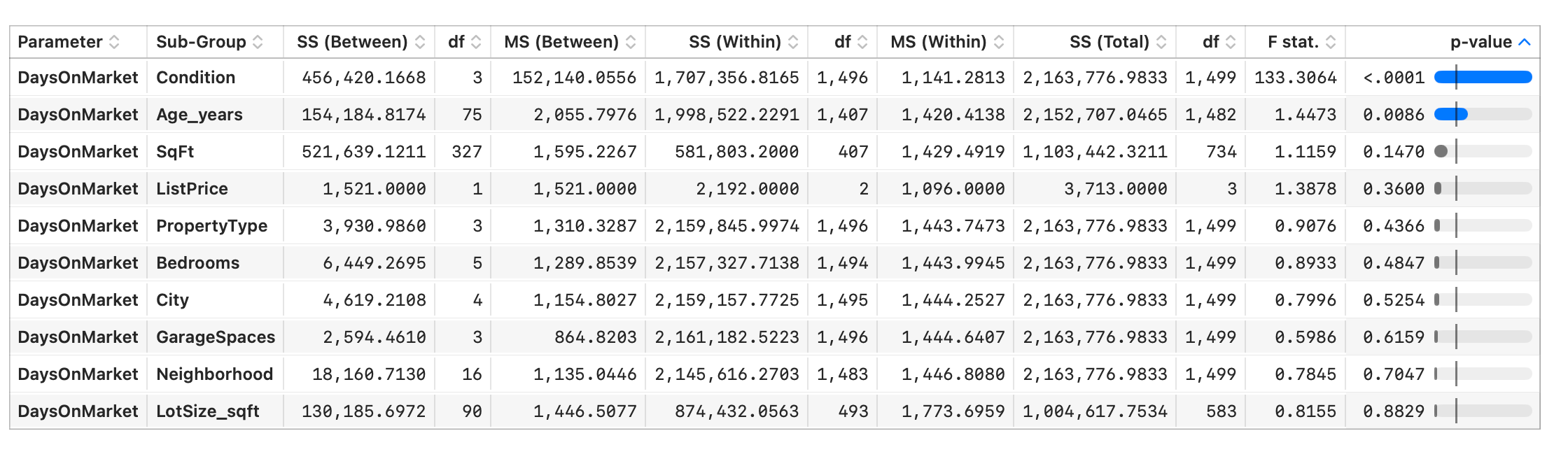
SPSS (now IBM SPSS Statistics) has been a social-science standard for decades — familiar menus, a syntax language for reproducibility, and an enormous base of textbooks, courses, and reviewers built around it. That ecosystem is real value. The trade-offs are cost, an interface that feels its age, and a tool that was never designed Mac-first.
Where SPSS fits
If your department, course, journal, or collaborators expect SPSS — its output format, its syntax, its conventions — that gravity matters, and fighting it rarely pays. SPSS covers the standard social-science toolkit thoroughly, is widely taught, and its point-and-click plus syntax model suits reproducible academic work.
Where a modern native app wins
| SPSS | Stratum | |
|---|---|---|
| Pricing | Premium subscription | One-time, lower cost |
| Platform feel | Cross-platform, dated UI | Native to Mac & Windows, modern |
| Charts | Functional | 30+ modern statistical charts |
| Diagnostics | Available | VIF, leverage, Cook's D, Tukey, normality checks |
| Machine learning | Paid add-ons | PCA, clustering, trees, forests built in |
| Scale | Large datasets | Up to ~5 million rows |
| Best for | Established SPSS workflows & courses | Fast, modern, native everyday analysis |
The core overlap
The bread and butter SPSS is used for — descriptive statistics, t-tests, ANOVA, correlation, chi-square, and regression with diagnostics — is exactly what Stratum does, with a cleaner, faster, native interface and the diagnostics included rather than bolted on. The statistical charts are more modern, and machine learning is built in rather than a paid module.
Switching cost is the real question
For a student or researcher starting out, or anyone not locked into an SPSS-centric workflow, a modern native app is an easy win on cost and experience. For an established lab with years of SPSS syntax and reviewers who expect it, inertia is rational. Stratum imports your .csv and .xlsx directly, so you can evaluate it on your own data without committing.
Download Stratum See all features →
Frequently asked questions
Is there a cheaper alternative to SPSS for Mac?
Yes — native apps like Stratum cover the core SPSS analyses (t-tests, ANOVA, correlation, chi-square, regression with diagnostics) plus modern charts and built-in machine learning, at a one-time price instead of a subscription.
Does SPSS run well on Mac?
SPSS has a Mac version, but it's a cross-platform product with a dated interface. A native app like Stratum feels more at home on your platform.
Should I switch from SPSS to Stratum?
If you're required to use SPSS or your collaborators expect its output, the switching cost may not be worth it. If you're choosing fresh, Stratum offers the same core analyses with a modern, native, lower-cost experience.
Does Stratum produce output I can use in a paper?
Yes — clean report tables and 30+ publication-quality charts, exportable to PDF, PNG, and more.
Can Stratum do machine learning that SPSS charges extra for?
Stratum includes PCA, clustering, decision trees, random forests, and boosted trees as standard, where comparable capabilities in SPSS are often paid add-ons.